You searched for WTV meaning in text because someone just sent it to you, didn’t they?
Maybe it popped up in a text message. Maybe it appeared in a Snapchat reply. Or maybe someone dropped a quick “WTV” during an argument, and now you’re staring at your screen wondering whether they’re annoyed, being sarcastic, or simply keeping things casual.
Here’s the surprising part: the meaning of WTV isn’t usually the confusing part.
The real challenge is figuring out the tone behind it.
The exact same three letters can sound relaxed, friendly, dismissive, passive-aggressive, or completely indifferent depending on the situation. That’s why so many people misunderstand it.
Let’s clear it up.
What Does WTV Mean in Text?
Quick Answer
In texting, WTV most commonly means “whatever.”
It’s a popular abbreviation used in text messages, online chat, social media comments, and messaging apps to save time when typing.
For example:
Friend: Where should we eat tonight?
You: WTV works for me.
In this case, WTV simply means you’re flexible and don’t have a strong preference.
WTV Full Form Explained
WTV is an acronym-style abbreviation derived from the word:
Whatever → WTV
Like many forms of internet slang, vowels are removed to create a shorter version that’s easier to type.
You’ll often see WTV used on:
- Snapchat
- TikTok
- Messenger
- Discord
- SMS text messages
The abbreviation has become especially common among Gen Z users, who frequently shorten words and phrases in digital communication.
The Real Meaning Behind WTV
Here’s where things get interesting.
Most people assume WTV always means the same thing. It doesn’t.
The emotional tone can change dramatically based on context.
Why Context Matters
Imagine receiving the following message:
“WTV.”
That’s it.
No emoji. No explanation.
Now compare these situations:
- Someone says WTV after you ask where they want to eat.
- Someone says WTV during a heated disagreement.
- Someone says WTV with a laughing emoji.
Same abbreviation.
Completely different meaning.
That’s why context is everything when interpreting texting slang.
When WTV Means “I Don’t Care”
Sometimes WTV signals indifference.
Example:
Friend: Which movie should we watch?
You: WTV.
Translation:
“I don’t really care.”
This version isn’t necessarily rude. It simply communicates a lack of preference.
When WTV Means “It’s Up To You”
In many conversations, WTV reflects flexibility rather than indifference.
Example:
Partner: Should we go Friday or Saturday?
You: WTV works best for you.
Meaning:
“I’m happy with either option.”
This is one of the friendliest uses of the abbreviation.
When WTV Means “I’m Done Arguing”
Now for the version that causes confusion.
Example:
Person A: You’re not listening.
Person B: WTV.
In this situation, WTV often means:
- I’m finished discussing this.
- I don’t want to continue arguing.
- Believe what you want.
This usage can feel dismissive because it signals emotional withdrawal from the conversation.
Is WTV Rude or Friendly?
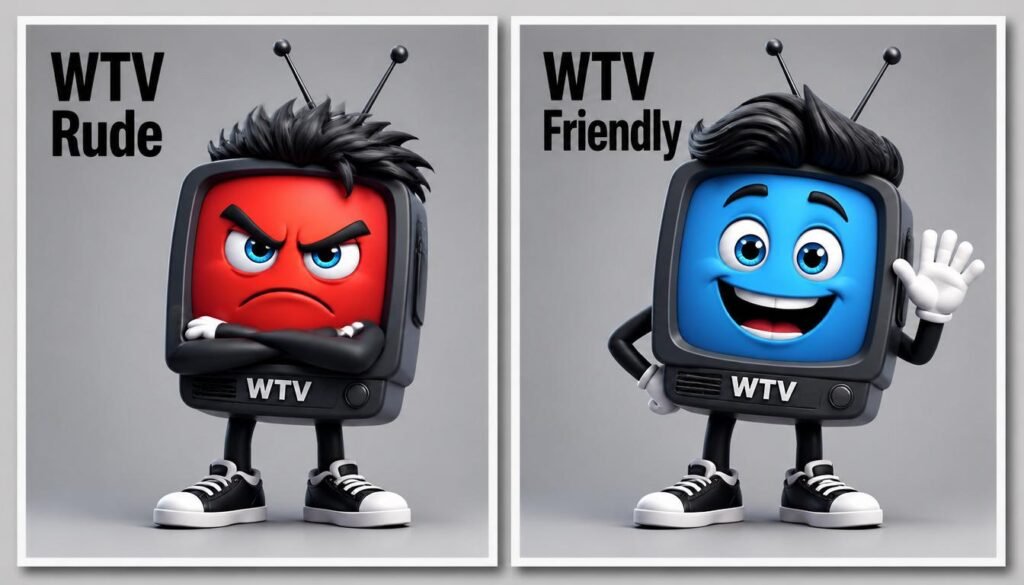
The answer depends entirely on how it’s used.
Neutral Usage
Neutral WTV is common in everyday conversations.
Examples:
- WTV sounds good.
- WTV you prefer.
- WTV works.
There’s no hostility here.
Just flexibility.
Annoyed Usage
Things change when frustration enters the conversation.
Example:
“WTV. Do what you want.”
Now the abbreviation carries emotional weight.
The sender may be irritated, disappointed, or unwilling to continue the discussion.
Sarcastic Usage
Sarcasm is another possibility.
Example:
“Oh, WTV. You’re always right.”
The actual meaning differs from the literal words.
Instead of agreement, the sender may be expressing skepticism or frustration.
Passive-Aggressive Usage
This is often where misunderstandings happen.
A simple “WTV” can sometimes function as a conversation-ending statement.
The sender avoids directly expressing feelings but still communicates dissatisfaction.
That’s why readers often perceive WTV as cold or dismissive.
WTV Meaning on Different Platforms
The core meaning remains consistent across platforms, but usage patterns can vary.
WTV on Snapchat
On Snapchat, WTV almost always means “whatever.”
Users typically employ it in:
- Casual chats
- Group conversations
- Quick replies
- Story responses
Because Snapchat communication is fast-paced, abbreviations like WTV fit naturally.
WTV on TikTok
TikTok comments frequently feature WTV when users:
- React to opinions
- Express indifference
- End debates
- Respond humorously
You’ll often see comments such as:
“People can do WTV they want.”
Here, the tone is generally relaxed rather than confrontational.
WTV on Instagram
Instagram users often use WTV in:
- Comment sections
- Direct messages
- Story replies
The abbreviation functions much like it does elsewhere, though tone remains heavily dependent on context.
WTV in Text Messages
Traditional texting is where emotional ambiguity becomes most noticeable.
Without facial expressions or voice cues, readers must rely entirely on wording and context.
A short “WTV” can be interpreted in multiple ways.
Examples of WTV in Conversations
Real examples make understanding easier.
Friendly Examples
Friend: Pizza or burgers?
You: WTV sounds good.
Friend: Want to hang out Saturday?
You: WTV works.
These responses communicate openness and flexibility.
Relationship Examples
Partner: Where should we go this weekend?
You: WTV makes you happy.
Friendly. Supportive. Easygoing.
Now compare that with:
Partner: Are you upset?
You: WTV.
Very different tone.
Argument Examples
Person A: You’re making a big deal out of this.
Person B: WTV.
This version often suggests emotional disengagement.
The conversation is effectively over.
Social Media Examples
Examples commonly found online include:
- “WTV lol”
- “WTV you think”
- “People do WTV they want”
- “WTV works for me”
Notice how context changes everything.
How to Respond When Someone Says WTV

Your response should match the intended meaning.
If They Mean Flexibility
Keep things moving.
Example:
Them: WTV works for me.
You: Great, let’s go with Friday then.
No need to overanalyze.
If They Sound Upset
A little clarification can help.
Example:
You: Are you okay? You seem frustrated.
This invites honest communication without creating conflict.
If They Sound Dismissive
Avoid escalating the situation.
Instead of arguing, try:
- “Can we talk about this later?”
- “I feel like something’s bothering you.”
- “I’d like to understand your perspective.”
This keeps the conversation productive.
WTV vs Similar Texting Slang
Several abbreviations appear similar but carry different meanings.
WTV vs IDC
WTV = Whatever
IDC = I Don’t Care
The distinction matters.
WTV can suggest flexibility.
IDC often sounds more blunt and detached.
WTV vs IDK
IDK = I Don’t Know
IDK expresses uncertainty.
WTV expresses indifference or openness.
Example:
- IDK where we should eat.
- WTV works for me.
Completely different meanings.
WTV vs NVM
NVM = Never Mind
NVM withdraws a statement or question.
WTV communicates flexibility or dismissal.
WTV vs Meh
“Meh” expresses mild boredom or lack of enthusiasm.
WTV focuses more on preference and decision-making.
Common Misunderstandings About WTV
People frequently misread this abbreviation.
Why People Think It’s Rude
Short messages often appear colder than intended.
Without vocal tone, readers naturally fill in the blanks.
A simple WTV may look dismissive even when the sender means no harm.
Tone Mistakes in Texting
Digital communication lacks:
- Facial expressions
- Body language
- Vocal inflection
That creates room for misunderstanding.
The same message can be interpreted differently by different people.
Emoji Effects on Meaning
Emojis dramatically influence interpretation.
Compare these examples:
- WTV 🙂
- WTV 😂
- WTV 🙄
- WTV 😒
The abbreviation remains unchanged.
The emotional tone does not.
Other Meanings of WTV
Although “whatever” is by far the most common meaning, other interpretations exist.
Watch TV
In certain conversations, WTV can stand for:
Watch TV
Example:
“Want to WTV tonight?”
The surrounding context usually makes this obvious.
Whatever You Want
Some people use WTV as shorthand for:
Whatever You Want
Example:
“We can do WTV you want.”
Rare Industry Uses
In specialized communities, WTV may occasionally have unique meanings unrelated to texting slang.
For the average internet user, however, “whatever” remains the dominant interpretation.
Frequently Asked Questions
What does WTV mean in text messages?
WTV usually means “whatever.” It’s used to express flexibility, indifference, or a lack of strong preference.
Is WTV rude?
Not always. WTV can sound rude during disagreements, but in casual conversations it often simply means the sender is okay with any option.
What does WTV mean on Snapchat?
On Snapchat, WTV generally means “whatever” and carries the same meaning it has in texting and other social media platforms.
How do you respond to WTV?
Look at the context. If it signals flexibility, make a decision. If it sounds annoyed or dismissive, ask for clarification.
Is WTV the same as IDC?
No. WTV usually means “whatever,” while IDC means “I don’t care.” IDC often feels more direct and blunt.
Why do people use WTV instead of whatever?
People use WTV because it’s faster to type, fits modern chat language, and aligns with common internet slang habits.
Final Verdict: What WTV Really Means
The shocking truth about WTV isn’t the definition.
It’s the tone.
Yes, WTV usually means “whatever.” That’s the easy part.
The harder part is figuring out whether the sender is expressing flexibility, indifference, annoyance, sarcasm, or emotional withdrawal. The abbreviation itself doesn’t tell the whole story. Context does.
So the next time you receive a message that simply says “WTV,” don’t rush to assume it’s rude.
Look at the conversation around it.
In many cases, it’s nothing more than a quick way of saying, “I’m fine with whatever.”
And sometimes, that’s exactly what the sender means.
