You saw “WLW” in a TikTok comment, an Instagram bio, or maybe a dating app profile and paused for a second. Fair enough. Internet slang moves fast, and some acronyms carry a lot more cultural meaning than people realize.
This one does.
The phrase “WLW meaning in text” has exploded in search popularity because people keep running into it across social media culture, fandom spaces, LGBTQ+ discussions, and online communities. And no, it’s not just another random texting abbreviation people forget after a month.
WLW has become part of modern digital communication. It shows up in hashtags, relationship discussions, queer representation debates, and everyday conversations between friends online.
So what does it actually mean?
Let’s clear it up properly.
What Does WLW Mean in Text?
WLW stands for “Women Loving Women.”
It’s an inclusive term used to describe women who experience romantic attraction, emotional attraction, or sexual attraction toward other women.
You’ll commonly see the term used in:
- Text messages
- TikTok captions
- Instagram bios
- Dating apps
- Tumblr fandom spaces
- Discord communities
- LGBTQ+ conversations online
A quick example:
“I wish there were more WLW movies with happy endings.”
In that sentence, “WLW” refers to stories centered around women who love women romantically.
Simple on the surface. But the deeper context matters.
Because WLW is often used as an umbrella term rather than a strict identity label.
What Does WLW Stand For?
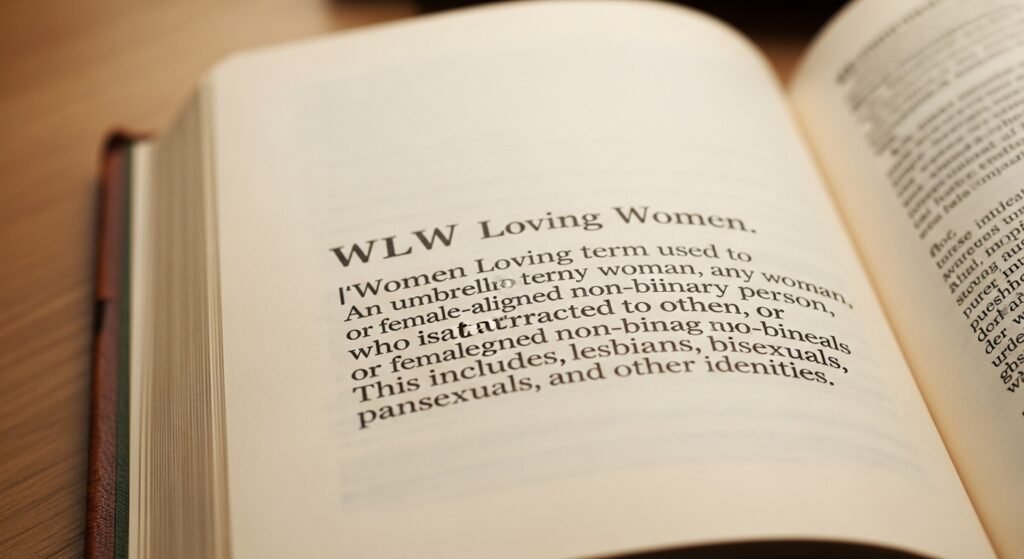
Literally, WLW means:
W = Women
L = Loving
W = Women
That’s it.
Still, the phrase carries social and cultural nuance that many people miss the first time they encounter it.
Unlike some identity labels that describe one specific sexual orientation, WLW is intentionally broad. It can include:
- Lesbian women
- Bisexual women
- Pansexual women
- Queer women
- Women questioning their identity
The focus is on attraction between women rather than forcing everyone into one exact category.
That flexibility is one reason the term became so popular online.
Why People Use WLW Instead of “Lesbian”
This confuses people constantly.
A lot of users assume WLW and lesbian mean the same thing. Sometimes they overlap. Sometimes they don’t.
Here’s the difference.
Lesbian
Usually refers specifically to women exclusively attracted to women.
WLW
A broader umbrella term that includes multiple identities involving women loving women.
That distinction matters in LGBTQ+ spaces because not every bisexual or pansexual woman identifies as lesbian, but many still identify with WLW experiences.
Think of it this way:
| Term | Meaning |
|---|---|
| Lesbian | A specific sexual orientation |
| WLW | A broader inclusive category |
| Sapphic | A romantic/cultural umbrella term for women attracted to women |
People often choose WLW because it feels:
- More inclusive
- Less restrictive
- More community-focused
- Easier in mixed identity spaces
Especially online.
How WLW Is Used on Social Media
Honestly, social media pushed this acronym into mainstream internet slang.
Ten years ago, many people outside queer online communities had never heard it. Now it’s everywhere.
WLW on TikTok
TikTok slang evolves ridiculously fast, but WLW stuck because creators use it constantly in:
- Relationship videos
- Dating stories
- LGBTQ+ humor
- Representation discussions
- Fan edits
- TV and movie commentary
Examples:
- “Best WLW couples in TV history”
- “WLW TikTok is healing me”
- “Finally getting good WLW representation”
The term works well because it’s short, recognizable, and community-specific.
WLW on Instagram
On Instagram, WLW often appears in:
- Bios
- Hashtags
- Story captions
- Pride-related content
Example bio:
“Book lover • WLW • she/her”
In that context, the acronym acts as an identity signal. It helps people find communities and connect with others who share similar experiences.
WLW on Dating Apps
Dating apps use shorthand heavily.
Profiles may include:
- “WLW only”
- “Looking for WLW friends”
- “Queer WLW”
It quickly communicates relationship preference without writing a long explanation.
WLW in Fandom Culture
This is a huge one.
Fandom communities on Tumblr, X, Reddit, and Discord use WLW constantly when discussing fictional characters or relationships.
Example:
“This show has incredible WLW representation.”
That usually means the series includes meaningful romantic relationships between women.
Sometimes fans also use:
- WLW ship
- WLW romance
- WLW couple
- WLW fanfiction
Internet culture helped normalize the acronym far beyond niche LGBTQ+ spaces.
WLW vs Sapphic vs Lesbian
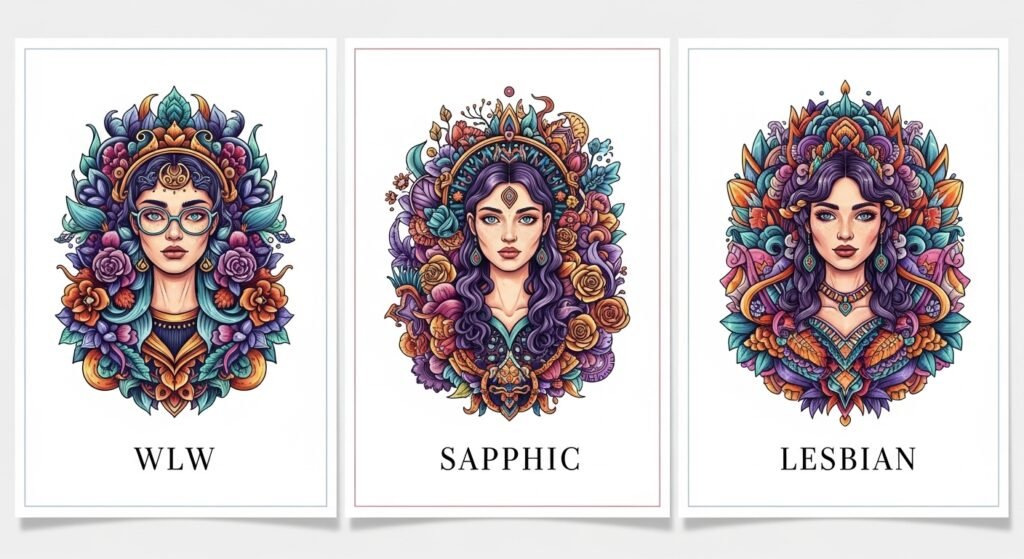
People mix these terms up all the time.
Here’s the cleanest breakdown possible.
| Term | Meaning | Scope |
|---|---|---|
| WLW | Women loving women | Broad umbrella |
| Lesbian | Women exclusively attracted to women | Specific identity |
| Sapphic | Romantic or emotional attraction between women | Broad/cultural term |
So what is “sapphic”?
“Sapphic” comes from the ancient Greek poet Sappho, who famously wrote about love between women.
Online, sapphic usually feels:
- Softer
- More aesthetic
- More romantic
- Less identity-specific
Some people prefer sapphic over WLW because it feels more emotionally expressive rather than acronym-heavy.
Others prefer WLW because it’s direct and widely recognized in digital communication.
Neither is “more correct.”
Is WLW Offensive?
No. WLW is generally considered respectful and inclusive.
That said, context matters.
Using the term correctly means understanding that:
- Not every woman attracted to women uses the label
- Identity preferences differ
- Some people strongly prefer lesbian, bisexual, or queer instead
The safest approach?
Use the language people use for themselves.
If someone describes their relationship as WLW, mirror that terminology respectfully.
Common WLW Text Examples
People searching “WLW examples in text” usually want practical context more than theory.
Here are realistic examples.
Casual Texting
“I didn’t realize the movie was WLW until halfway through.”
TikTok Comment
“We need more WLW representation like this.”
Dating App
“Bi WLW looking for long-term relationship.”
Fan Community
“Their chemistry screams WLW energy.”
Instagram Caption
“Soft WLW vibes all summer.”
Notice something?
The acronym usually functions as shorthand for:
- Identity
- Community
- Relationship themes
- Representation
- Shared experiences
Where Did the Term WLW Come From?
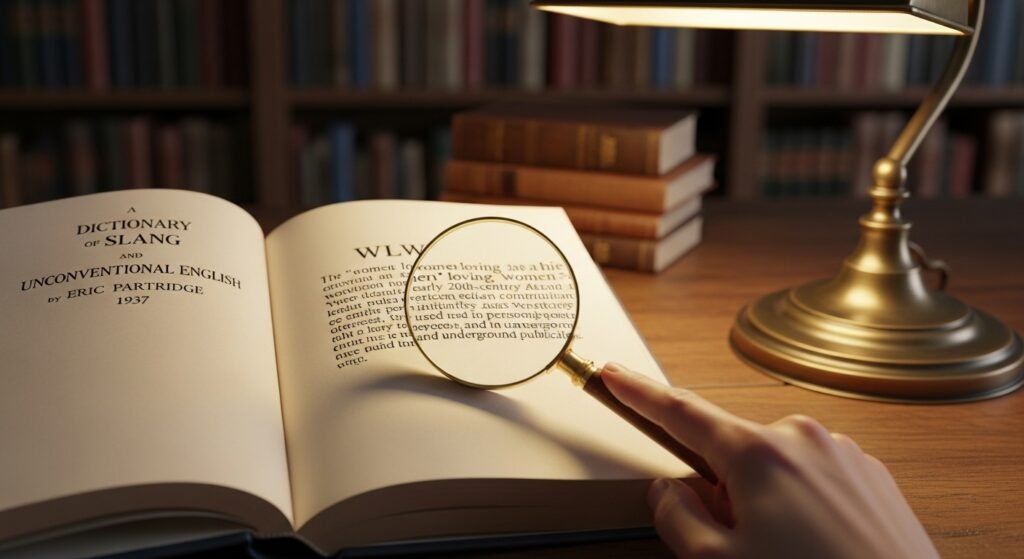
WLW didn’t suddenly appear out of nowhere.
The term gained traction through:
- Tumblr culture
- Early LGBTQ+ online forums
- Fanfiction communities
- Queer activism spaces
- Social media hashtag culture
Tumblr played a massive role.
Back in the early 2010s, fandom communities needed quick ways to categorize content involving queer women. WLW became an efficient tag for:
- Art
- Stories
- Fan edits
- Discussions
- Representation posts
Eventually the acronym spread to:
- TikTok
- X
- Discord
- Mainstream internet slang
That pattern happens often online. Niche language enters digital communities first, then slowly becomes common internet vocabulary.
Why WLW Became So Popular Online
Acronyms survive online for one reason:
Efficiency.
But WLW gained staying power because it solved multiple communication problems at once.
It’s Inclusive
The term allows different identities to exist under one umbrella without forcing everyone into the same label.
It Works Well in Hashtags
Short phrases dominate social media algorithms.
“#WLW” is:
- Easy to search
- Easy to type
- Easy to recognize
It Builds Community Fast
Identity-based online communities rely heavily on shared terminology.
Seeing “WLW” immediately signals:
- Shared experiences
- Similar interests
- Safe spaces
- Cultural familiarity
It Fits Internet Communication
Digital communication rewards shorthand language.
People naturally compress:
- Relationships
- Identities
- Interests
- Subcultures
WLW became one of those internet acronyms that crossed over into mainstream use.
Common Misunderstandings About WLW
A few myths keep circulating online.
Let’s kill those quickly.
“WLW only means lesbian”
Not true.
Many bisexual women and pansexual women identify with WLW too.
“WLW is only used on TikTok”
Also false.
The term existed long before TikTok popularity spikes.
“WLW is inappropriate slang”
Nope.
It’s widely accepted inclusive terminology in LGBTQ+ communities.
“You have to identify as queer to use it”
Not necessarily.
WLW describes attraction patterns, not political ideology.
“WLW is a secret code”
Definitely not.
It’s mainstream enough now that major media outlets, fandom spaces, and online communities use it openly.
What Does WLW Representation Mean?
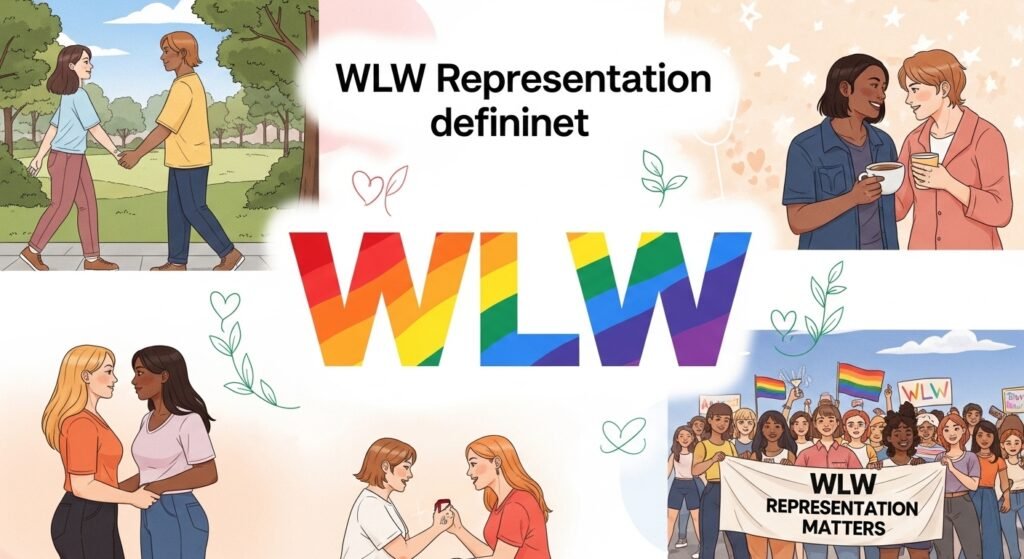
This phrase appears everywhere now.
“WLW representation” refers to portrayals of women loving women in:
- TV shows
- Movies
- Books
- Anime
- Video games
- Online media
People often discuss whether representation feels:
- Authentic
- Respectful
- Stereotypical
- Tokenized
- Realistic
Example:
“That series finally gave us healthy WLW representation.”
In fandom culture especially, representation conversations are huge because audiences want stories that reflect real emotional experiences instead of outdated clichés.
What Is MLM vs WLW?
You’ll often see these terms paired together.
WLW
Women loving women
MLM
Men loving men
Both function as umbrella terms within LGBTQ+ online discussions.
They’re especially common in:
- Fandom communities
- Representation debates
- Social media hashtags
- Online storytelling spaces
How Do You Pronounce WLW?
People usually pronounce it letter-by-letter:
“Double-U Ell Double-U”
Some users just say:
“women loving women”
Both are common.
Why Understanding WLW Actually Matters
This isn’t just about memorizing another internet acronym.
Language shapes social interaction online.
Knowing what WLW means helps you:
- Understand modern social media culture
- Avoid awkward misunderstandings
- Communicate respectfully
- Follow online conversations naturally
- Recognize inclusive terminology
And honestly? The internet keeps inventing shorthand at lightning speed. Learning the cultural context behind these terms matters more than memorizing definitions.
Because most of the meaning lives in how communities actually use the language.
Frequently Asked Questions
What does WLW mean in texting?
WLW means “Women Loving Women.” It describes women who are romantically or emotionally attracted to other women.
What does WLW mean on TikTok?
On TikTok, WLW usually refers to queer women, lesbian relationships, representation in media, or community-focused content involving women loving women.
Is WLW the same as lesbian?
Not exactly. Lesbian is a specific identity, while WLW is a broader umbrella term that can include bisexual women, pansexual women, and other queer women.
Can bisexual women use WLW?
Yes. Many bisexual women identify with WLW because the term includes women attracted to women, not just lesbians.
Is WLW offensive?
No. WLW is generally considered respectful and inclusive when used appropriately.
What does sapphic mean vs WLW?
“Sapphic” usually emphasizes romantic or cultural connection between women, while WLW functions more as a broad identity umbrella term.
What does WLW representation mean?
It refers to media representation involving romantic or emotional relationships between women.
Final Thoughts
The real reason “WLW meaning in text” keeps trending isn’t because the acronym itself is complicated.
It’s because internet language now blends identity, culture, community, and communication into tiny shorthand expressions people encounter daily.
WLW is one of those terms.
Short acronym. Big meaning.
And once you understand the context behind it, suddenly half the comments, bios, hashtags, fandom posts, and TikTok captions online make a lot more sense.
