
You see it in a message thread. Or maybe a coworker drops it in an email and you pause for a second. CYA meaning in text suddenly matters more than it should, because the whole tone of the conversation depends on it.
And here’s the annoying part. It doesn’t have just one meaning.
That’s where people get tripped up.
You think it means one thing. The other person means something completely different. Suddenly, context is doing all the heavy lifting.
Let’s break it down properly so you don’t misread it again.
What Does CYA Mean in Text?
CYA is one of those acronyms that lives a double life.
Two main meanings show up in digital communication:
1. “Cover Your Ass”
This is the older, more widely recognized meaning in workplace and professional environments.
It refers to protecting yourself from blame later by documenting things, clarifying decisions, or making sure responsibility is not pinned on you unfairly.
You’ll see it in contexts like:
- Emails where someone is confirming instructions
- Workplace messages about decisions or approvals
- Situations where accountability matters
Example:
- “I’m just sending this over for CYA, so everything is documented.”
It sounds informal. Sometimes even slightly cynical. But it’s extremely common in corporate communication culture, especially in fast-moving teams.
2. “See Ya”
Now switch contexts completely.
In texting, especially among friends, CYA often just means goodbye.
Short. Casual. Almost lazy in a friendly way.
Example:
- “Gotta go now, cya!”
No deeper meaning. No hidden agenda. Just a quick exit from the conversation.
Same letters. Completely different energy.
That’s where confusion starts.
Why CYA Confuses So Many People

The problem isn’t the acronym. It’s context collapse.
Digital communication strips tone away. So your brain tries to guess meaning based on limited clues.
And CYA sits right in the danger zone:
- It can sound friendly
- Or defensive
- Or slightly aggressive in workplace tone
- Or totally harmless in casual chat
That overlap is what makes it tricky.
In internet slang, few abbreviations shift meaning this sharply between environments.
Where Did CYA Come From?
The phrase “cover your ass” didn’t start online. It grew out of workplace and bureaucratic environments where documentation matters.
Think:
- military paperwork culture
- corporate reporting systems
- legal accountability processes
Over time, it filtered into everyday office language. Then it got shortened into CYA because, well, humans love efficiency.
Then texting culture did what it always does. It stripped it down further and reused the same acronym for a totally unrelated meaning: “see ya.”
That second meaning is just phonetic shorthand. It’s not connected to accountability at all.
You can find both uses reflected across language references like:
- Urban Dictionary
- Merriam-Webster
- Oxford Languages
Each one acknowledges that slang doesn’t stay stable. It mutates based on where it’s used.
CYA Meaning in Different Contexts
This is where things finally start making sense.
In Text Messages and Social Media
Here, CYA usually means “see ya.”
It shows up in:
- WhatsApp chats
- Snapchat messages
- Instagram DMs
- Gaming chats
It feels light, fast, and informal.
Examples:
- “Heading out now, cya later”
- “Cya tomorrow”
No hidden meaning. Just shorthand.
In Workplace Communication
Now the tone flips.
In professional settings, CYA almost always refers to “cover your ass.”
This is about risk management and clarity.
People use it when:
- confirming instructions in writing
- documenting decisions
- protecting themselves from misunderstandings later
Examples:
- “Just confirming via email for CYA.”
- “Adding this note for CYA purposes.”
It’s not about paranoia. It’s about traceability.
In many corporate environments, written records are a safety net.
Is CYA Rude or Offensive?
Not inherently. But it can feel sharp depending on how it’s used.
Let’s separate it cleanly:
Casual use (“see ya”)
Not rude at all. It’s friendly shorthand.
Workplace use (“cover your ass”)
Not offensive, but it can carry a subtle edge.
Why?
Because it implies distrust or risk of blame.
If someone says:
- “I’m doing this for CYA”
It might suggest they don’t fully trust the situation or want protection from consequences.
Still, in most professional environments, it’s normalized. Just informal.
Tone decides everything here.
When Should You Use CYA in Chat?

You can use it, but you should know what you’re signaling.
Safe situations:
- Talking to friends
- Informal group chats
- Gaming or casual messaging
Situations to avoid it:
- Formal emails to clients
- HR-related communication
- First-time professional interactions
Better alternatives exist when clarity matters:
- “See you”
- “Talk later”
- “Just confirming this in writing”
Simple beats ambiguous.
Does CYA Mean “See Ya” or Something Else?
Both.
And that’s the entire issue.
The meaning depends on:
- who is sending it
- where it is used
- what came before and after it
- overall tone of the conversation
If it appears in a casual chat, assume “see ya.”
If it appears in work communication, assume “cover your ass.”
But never assume blindly. One wrong guess can flip the tone of the entire exchange.
Is CYA Used in Professional Emails?
Yes. But carefully.
In corporate environments, “cover your ass” shows up in disguised form more often than you think.
People rarely write it bluntly in formal emails to clients. Instead, they embed it into polite documentation language:
- “For record purposes…”
- “As discussed and confirmed below…”
- “To avoid misunderstanding…”
Inside teams, though, you might still see the acronym used casually.
It’s part of workplace communication culture, especially in fast-paced or high-accountability industries.
How to Respond When Someone Uses CYA
This depends on context again.
If it means “see ya”
You can respond simply:
- “Cya!”
- “Later!”
- “Take care”
If it means “cover your ass”
You don’t respond to the acronym itself. You respond to the message content:
- confirm details
- acknowledge instructions
- keep the record clear
No need to overthink it. Just match the tone of the situation.
Similar Text Abbreviations You’ll See Around It
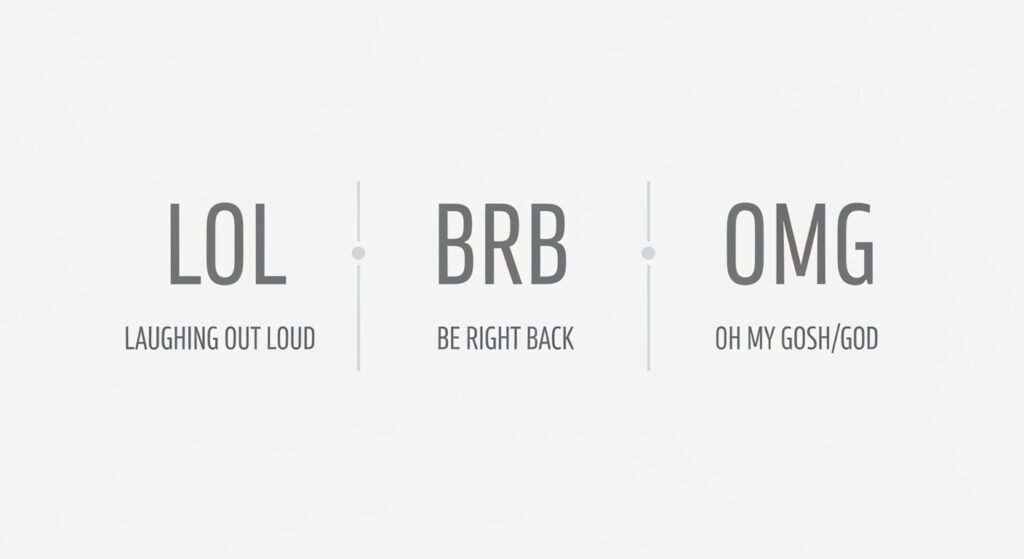
Once you understand CYA, you’ll start noticing similar shorthand everywhere.
Common ones:
- BRB Be Right Back
- TTYL Talk To You Later
- IMO In My Opinion
- IDK I Don’t Know
They all serve the same purpose: speed over formality.
But unlike CYA, most don’t carry a dual identity.
That’s what makes CYA special… and confusing.
Frequently Asked Questions About CYA
What does CYA mean in text messages?
It usually means “see ya” in casual chats, but in workplace contexts it often means “cover your ass,” referring to documenting things for protection.
Is CYA a rude or offensive term?
Not really. It depends on context. Casual use is harmless, while workplace use can sound slightly defensive but is still common.
When should you use CYA in chat?
Use it only in informal conversations. Avoid it in professional or formal communication where clarity matters.
Does CYA always mean “see ya”?
No. It can also mean “cover your ass,” especially in business or workplace environments.
What is the full form of CYA?
Two common expansions exist: “See Ya” and “Cover Your Ass,” depending on context.
cya meaning
CYA is an acronym that can mean “See Ya” in casual chats or “Cover Your Ass” in work contexts. Its meaning depends on the situation it is used in.
what does cya mean on text
On text messages, CYA usually means “See Ya,” which is a short and informal way of saying goodbye. It is commonly used in friendly conversations.
cya meaning in text
In texting, CYA mostly stands for “See Ya,” used when someone is leaving or ending a chat. In some cases, it can also refer to “Cover Your Ass” in professional contexts.
whats cya mean
CYA can mean “See Ya” in casual conversations or “Cover Your Ass” in workplace communication. The correct meaning depends on the context of the message.
cya text meaning
In text slang, CYA usually means “See Ya,” a quick way to say goodbye in chats. It can also mean “Cover Your Ass” in formal or work-related communication.
