

Choosing the wrong bag size often leaves aquascapers staring at a half-empty tank or choking in a cloud of iron dust. I analyzed buyer feedback and specifications across six options to see which bag actually deserves a spot in your setup. In my view, skipping the math on your tank volume is a rookie mistake. Let us look at how this ranked substrate lineup holds up to real aquarium demands.
| Best For | Product | Name | Score | |
|---|---|---|---|---|
| Nano Planted Tanks |  |
Seachem Flourite Black Sand 3.5 kg / 7.7 lbs | 9.8/10 | view on amazon |
| Standard Planted Setups |  |
Seachem Flourite Black 7 kg / 15.4 lbs | 9.5/10 | view on amazon |
| Small Nano Tanks |  |
Seachem Flourite Black 3.5 kg / 7.7 lbs | 9.2/10 | view on amazon |
| Compact Planted Bowls |  |
Seachem Flourite Black Dark Gravel, 7.7 lb | 8.9/10 | view on amazon |
| Dark Planted Aquariums | 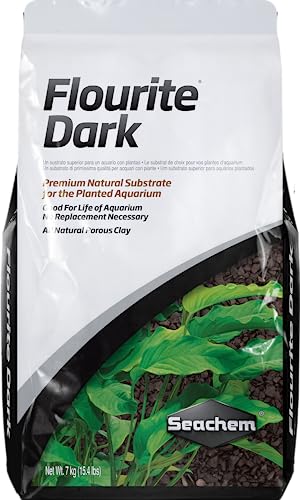 |
Flourite Dark, 7 kg / 15.4 lbs | 8.6/10 | view on amazon |
| Classic Planted Substrates |  |
Flourite, 7 kg / 15.4 lbs | 8.2/10 | view on amazon |
1. Seachem Flourite Black Sand 3.5 kg / 7.7 lbs
This bag earned its spot near the top because of its remarkably fine grain, which creates a striking carpet for delicate foreground plants. I find this specific texture much easier to plant in than chunky gravel, especially if you favor creeping species like dwarf hairgrass.
You do need to wash it multiple times before filling your aquarium, because the fine clay dust makes a terrible mess if left unattended. In my opinion, the 7.7 pound bag is the absolute sweet spot for desktop systems that need a finer aesthetic.
Buyers frequently mention that the fine sand grain makes planting delicate root systems remarkably straightforward.
The common warning across reviews is that you must rinse the material thoroughly to avoid cloudy water.
Users appreciate the natural black color because it makes vibrant green stem plants pop.
Get It From Amazon Now: Check Price on Amazon & FREE Returns
2. Seachem Flourite Black 7 kg / 15.4 lbs
This standard option suits aquascapers building medium to large planted tanks who want a durable, nutrient-rich bed that never needs replacement. I consider this my top overall recommendation because the larger bag capacity handles standard footprints without requiring a second purchase.
The porous clay structure provides an expansive surface area for beneficial bacteria and robust root growth. And while the initial rinsing process feels like an Olympic sport for your arms, the long-term plant health makes the effort completely worthwhile.
Reviewers consistently praise how well heavy root feeders thrive in this porous substrate over time.
Many buyers note that the larger bag size provides enough volume for standard community tanks.
The frequent complaint centers on the heavy clay dust requiring patience during the initial setup.
Get It From Amazon Now: Check Price on Amazon & FREE Returns
3. Seachem Flourite Black 3.5 kg / 7.7 lbs
What surprised me most about this smaller variant is its dual utility for both nano aquariums and targeted accent cap layers. I think many hobbyists overlook the smaller 7.7 pound volume, assuming they always need massive quantities for a proper scape.
It delivers all the rich porosity of its larger sibling without overwhelming a tiny glass box. But you should measure your footprint carefully, because this bag runs out surprisingly fast in tanks wider than ten inches.
Owners of nano setups note that this bag size reduces waste compared to buying oversized packages.
The general consensus highlights the uniform grain size as a major plus for small tanks.
Some buyers point out that a single bag is barely enough for shallow scapes with deep slopes.
Get It From Amazon Now: Check Price on Amazon & FREE Returns
4. Seachem Flourite Black Dark Gravel, 7.7 lb
The most common complaint about this variant is the jagged, sharp-edged nature of the gravel pieces. I think critics overstate the risk for most fish, but bottom-dwellers like corydoras might prefer a softer sand bed.
Despite the rough texture, the dense gravel formulation prevents lightweight plants from floating up during your early scaping phases. I'd lean toward this option if you prefer a more textured, natural riverbed look over uniform sand.
Users often mention using this gravel for compact bowls where heavier grains anchor stems effectively.
A recurring critique focuses on the sharp edges requiring caution during the planting process.
Reviewers appreciate that the dark color resists fading under high intensity lighting.
Get It From Amazon Now: Check Price on Amazon & FREE Returns
5. Flourite Dark, 7 kg / 15.4 lbs
Comparing this directly to the standard black sand reveals a slightly more charcoal hue rather than a deep, pitch-black finish. I prefer this muted dark tone because it absorbs light evenly and reduces harsh reflections from overhead aquarium fixtures.
The weight and chemical composition match the standard formulation closely, meaning your rooted plants still get a steady supply of essential minerals. And yet, the color variation can sometimes catch buyers off guard if they expect an absolute black abyss.
Buyers note that the charcoal shade creates a more natural, weathered aesthetic in heavily planted tanks.
The general feedback emphasizes that iron-rich composition supports lush foliage without chemical additives.
Several reviews mention that the dust levels rival other clay-based substrates during the wash cycle.
Get It From Amazon Now: Check Price on Amazon & FREE Returns
6. Flourite, 7 kg / 15.4 lbs
This original formula earned its legendary reputation through decades of reliable performance in high-tech Dutch aquariums. I believe the classic reddish-brown clay look remains a timeless choice, even if modern hobbyists often lean toward darker substrates.
It provides the exact same porous foundation and natural mineral content that made the brand a household name among serious plant keepers. But you must be prepared for an earthy, terracotta appearance that completely dominates the visual bottom of your tank.
Long-term users praise the chemical stability and longevity of this traditional substrate.
The most frequent note in reviews is the reddish tint requiring careful color matching with hardscape materials.
Aquascapers appreciate that the clay never breaks down into mush over the years.
Get It From Amazon Now: Check Price on Amazon & FREE Returns
Choosing Between Them
In my view, choosing the right bag comes down to matching your tank volume and aesthetic goals, with my top recommendation going to the Seachem Flourite Black 7 kg bag for standard setups. Nano tank builders will want the smaller 3.5 kg sand or gravel options, while traditionalists can lean into the classic formulation for timeless mineral support.
Just remember that every single one of these clay substrates requires an aggressive, thorough rinse before it touches your glass. Skipping this washing step guarantees a muddy tank that will test your patience for days.
As an Amazon Associate, this site earns from qualifying purchases. Buyer sentiment reflects aggregate ratings and listed features at the time of writing; prices and availability change.
